
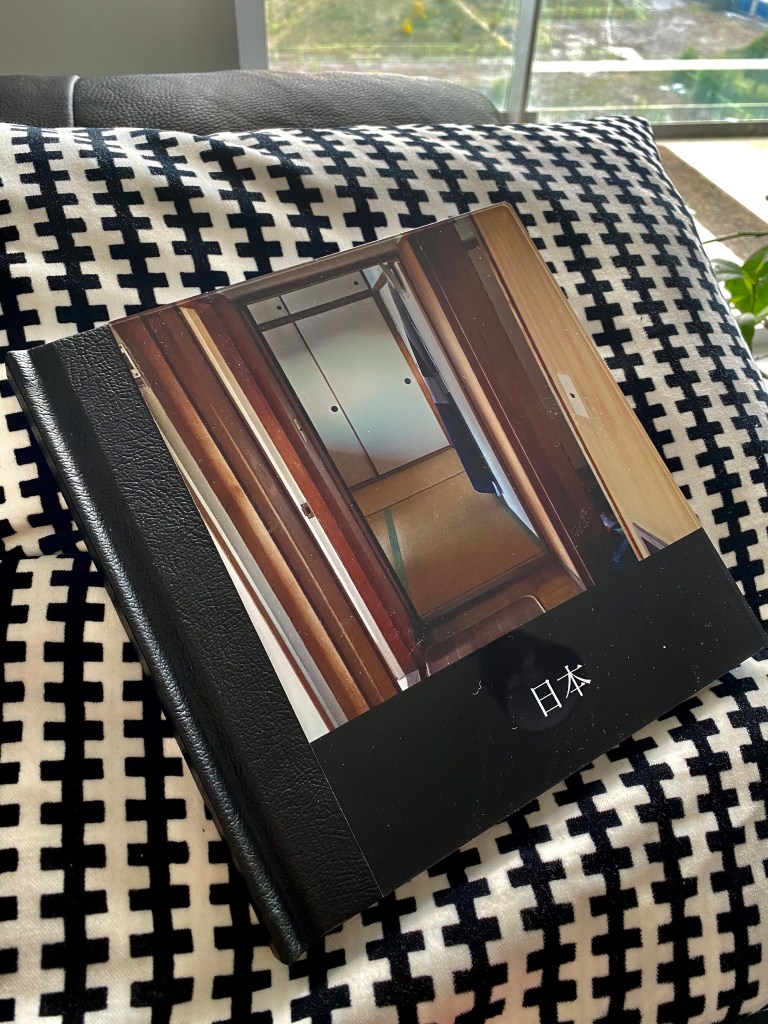
I was recently provided with the opportunity to review a SaalDigital photobook. They graciously provided me with a free book of my own photos to help form this review.
The first step is to install the software. I’m working on a Mac and the first time I ran the software it crashed, I sent a report and the second time it worked a lot better.
They ask you to choose from a range of high-end options, including black leather and satin first. There is also the option of a slightly pricy display box to match the cover. You can adjust these options before you finalise your order at the end.
The software will provide templates which you can use to very quickly design a photo book. This system works well, the slight hiccup being the lack of obvious support for the Mac photos app. It’s a lot easier for example to use the Mac photos app to make a folder of pictures you would like to use and then transfer this over. A nice feature is that the program will estimate the quality of the image on the printed page. Simple designs are easy to do, although some of the stock templates are a little cringy and a little ‘hallmark’. I would have liked to have seen some more modern designs. You can use whatever font you like, but a few modern and smart templates would be fantastic. I was a little hesitant about downloading dedicated software, especially for a product I wouldn’t likely be using very often. But if you are a professional photographer you may be used to this kind of system. The dedicated app, over say, a web app, allows for greater freedom and there are plenty of settings to play with, although most will find the snap-to-template system more than adequate for most needs. I only ran into a few formatting issues whilst playing around, all of these were easily fixed.
The actual book feels premium, the full-colour pages are fantastic, although lighter images work much better on the matt finish. The fact the book can open out flat is fantastic. It does look very smart on the table and it has already become a talking point. The print quality is fantastic, and the acrylic cover is a nice touch. They are aiming at a professional market and I think most would be satisfied with the product. It would also make a nice high-end gift to commemorate a special occasion. I personally filled my review product with images I’d taken in Japan. Some of these were simple iPhone snaps, and they came out just as nice as those taken with more dedicated camera set-ups.
So in summary:
Pros
- Very nicely presented, binding is high quality
- Produced and delivered quickly
- Matt printing looks great on bright colours
- Available for Mac and PC.
- Overall product is very nice.
- Instagram friendly ‘square’ printing is a nice option.
- The book lies flat when open.
- Acrylic cover is very nice.
Cons
- Software presentation is rudimentary and not necessarily beginner friendly crashed on first use.
- Presentation box costs over a third of the price of the book itself.
- Other additional options can get quite pricey quickly.
- Outdated text templates.
#saaldigital
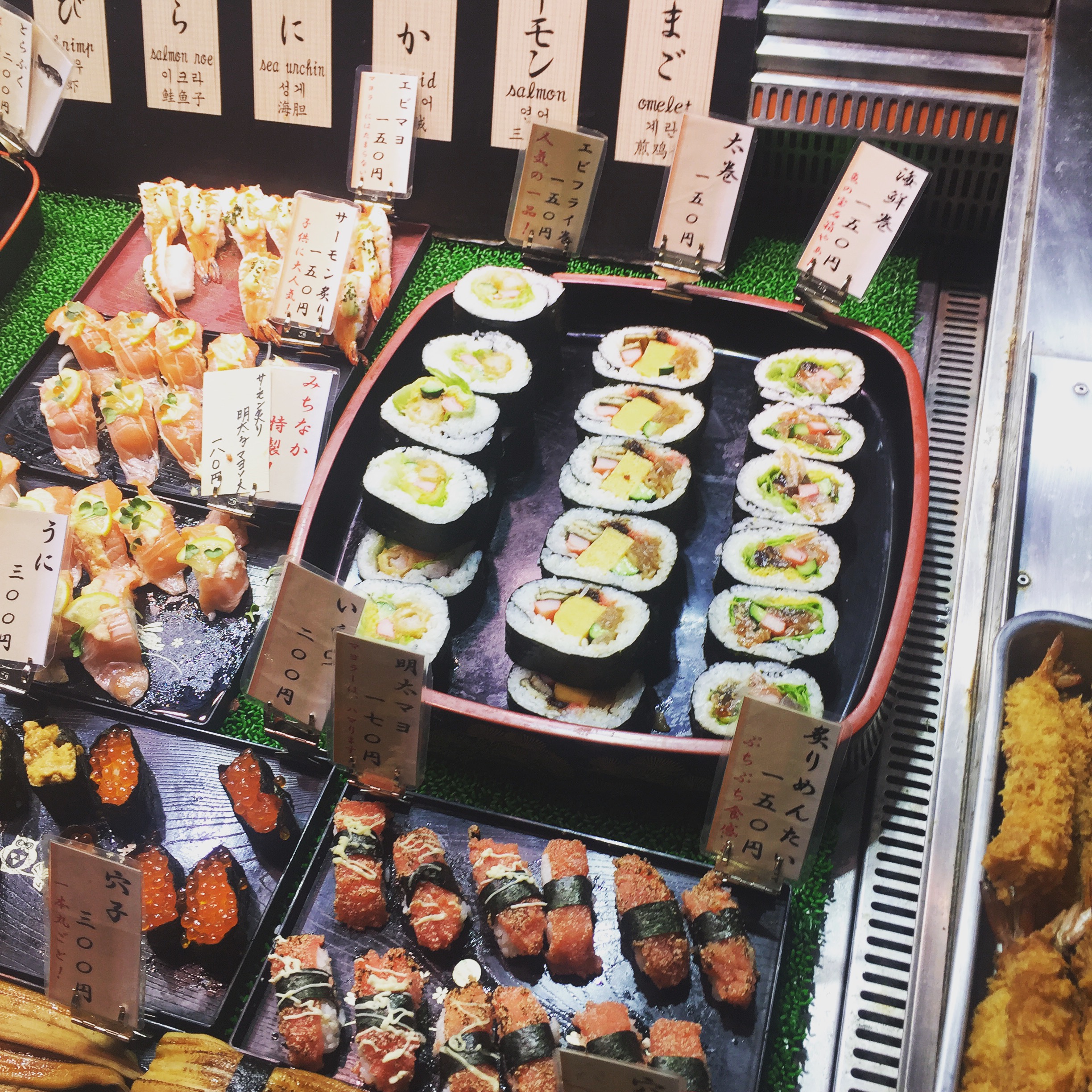 That early morning pilgrimage to Tokyo’s ‘secret’ breakfast spot has become something like folklore for visitors to the nation’s capital. I approached the market myself in December, excited and hungry for a chance to sample ‘the best sushi in Japan’. However, I found the throngs of people, simply distracted from the often mentioned ‘otherworldliness’ of the place, and more importantly, they got between me and the sushi.
 The market exists as a ‘hidden gem’ in much the same way Tsukiji once did. The building is somewhat unassuming, and on the days I have visited most of the crowds seemed to be heading to the nearby aquarium or children’s park. But inside the unassuming building is an open nest of busy stalls, selling fresh sushi for as little as 100 Yen, and of a much higher quality that your typical ‘kaiten’ sushi joint too. Karato offers a startling array of choice, including whale meat and the local speciality Fugu, the infamous dish which is famous for poison if not prepared correctly. Here the fugu is sold in sets, pre-cut and displayed fan-like on plates which are kept refrigerated somewhere out of sight. Plastic mock-ups of your fugu dinner are displayed out front, you simply need to point to order. Unlike the other fish on sale there are no ‘do-it-yourself’ kits for fugu here, and probably sensibly so. The area remains where the majority of Japan’s fugu harvest is caught and processed, and the city of Shimonoseki is a little mad for the stuff, you’ll find fugu designs everywhere in the city, and plastered on everything in the gift shops. Even the fabric on the bus seats have a fufgu design.
 Shimonoseki is the freshest place to try it, many restaurants will serve it as a set meal. It’s not cheap however, often prices start from at least 5000 Yen, it’s a delicacy, perfectly safe when prepared by a professional. I found the taste is light and delicious, like a lot of Japanese food the flavours a subtle. It’s almost always served thinly sliced, translucent looking on the plate, often with soy, onion and wasabi as seasonings. The skin can also be served shredded; it has a texture like jelly.



 The World is Quiet